Table Of Content
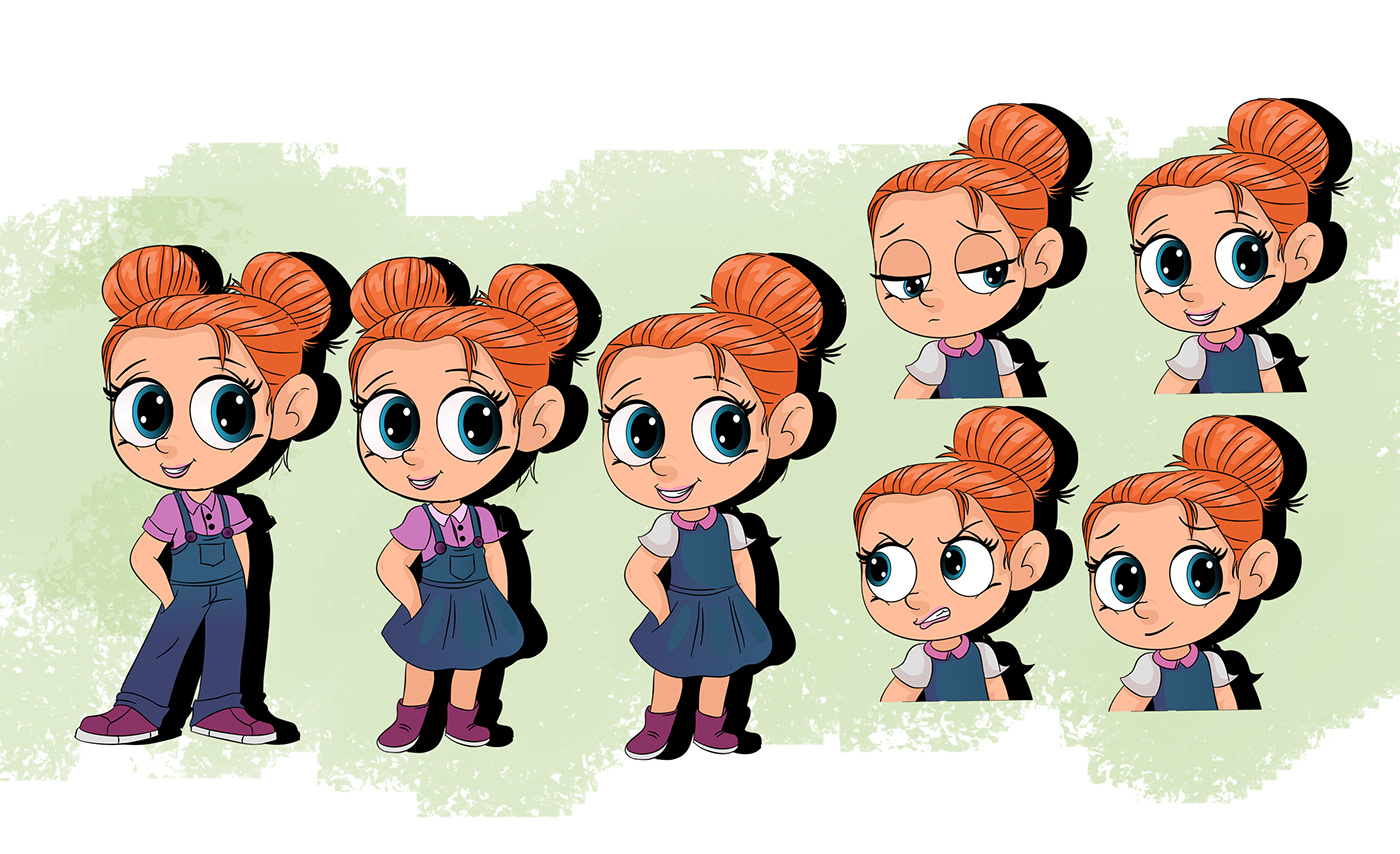
If you're after more design inspiration, check out Rafael Sarmento's Procreate character design masterclass. For a prime example of what not to do when creating a character, check out the hilarious Godzilla character design flaw that people are only just noticing. Having decent software and materials to work with is useful, but not essential, when it comes to bringing your character to life. A lot of amazing characters were successfully designed years ago when no one had personal computers and Photoshop CC was just a dream. If you're planning for your character design to exist within comics and animations, then developing its back story is important. Where it comes from, how it came to exist and any life-changing events it has experienced are going to help back up the solidity of, and subsequent belief in, your character.
Gather character reference materials.
Character design is the process of fully developing a character’s style, personality, behavior, and overall visual appearance in the visual arts. Character designers construct characters as a means of conveying stories. This means that every detail of a character, such as shapes, color palettes, and details, has been carefully chosen.

Step away from the reference material
We go above and beyond when producing our courses, making sure that the curriculum is presented in the right order, with the right examples, and using the best practices currently used in the industry. In short, you're learning to do things the way they're done in the real world. Reach out to our incredible support team at any time to answer questions about the material, or to help you find the best way to achieve your career goals.
Make your character distinctive
In theory, you can create a character just as well using pen and paper as a computer. However, even the best tools won’t mask bad ideas or a lack of art foundations. When creating a character, it is suggested to examine the century or location. This is a crucial step since it establishes the tone for the character’s future environment and backdrop.
Join Us Behind The Scenes Of Prime Video's Holiday Special 'Merry Little Batman' (Exclusive) - Cartoon Brew
Join Us Behind The Scenes Of Prime Video's Holiday Special 'Merry Little Batman' (Exclusive).
Posted: Tue, 05 Dec 2023 08:00:00 GMT [source]
This instant-access course features
The Art of Designing Stand-Out Animated Characters - Animation Magazine
The Art of Designing Stand-Out Animated Characters.
Posted: Mon, 16 Jan 2023 08:00:00 GMT [source]
These can be from any medium, including animation, photography, film, comic books, and paintings. As they move on to the following phase, developing a thumbnail, many character designers have their favorite sources on hand. It’s all about expressing the artist’s idea for how a character might seem in the future, whether in a film, video game, or company website. Before spending enormous amounts of money on production, the entertainment business employs concept art to depict its ideas. Creating an expression sheet is a great way to provide your animators with a basic guide on the way a character expresses different emotions.
Thus, color theory, shape language, and even fundamental psychology can aid in the creation of a successful character design. Character design is a technique for creating characters for animated films, comics, toys, advertisements, and publications. First, let’s look at the character design definition to understand better what the character designers are trying to accomplish.
Learn to hack your audience’s brain to create an emotional connection. Working this way is great because it helps me design my characters in 2D in a way they will benefit from when created in 3D. I start off with several primitives and then use Extrude, Split Polygon and Insert Edgeloop.
Most common questions about shape language (Bonus tips)
A character with a strong jawline might convey to the viewer that they are aggressive, rugged, and confident. Softer jawlines, on the other hand, express feelings of youth and friendliness. This stage expands on the previous drawing layer while remaining loose and exploratory. Use a sphere for the chest and head, a cube for the hips, a triangle for the chin and feet, and lines for every limb and finger.
What size should your character design sheets be?
Characters should follow an easy-to-read design language, meaning the audience should identify the feelings and personality type just by looking at it. Making your design complicated and too abstract won’t appeal to everyone. Triangles are the most dynamic of the three shapes we have mentioned so far.
Out of all three of these fundamental components of character design, exaggeration is arguably the most important as it pertains to storytelling. Exaggeration utilizes specific characteristics to purposely elicit emotional and psychological responses from an audience to a character. Colam also says Communicating a personality through body language ,and the silhouette is far more potent than only showing emotion through facial expression. That’s why we usually tend to draw the body first and then add more details with the face. Model papers also include suggestions on creating specific character elements, such as their head shape, hair length and style, and the size and position of their eyes and mouth.
In 2D, these are used to make sure the animator sticks to the model, while for 3D animation, the designs are modelled to create the character. As the project progresses, storyboard artists will also incorporate these designs into their storyboards. A thorough study of anatomy, shape language, psychology, color theory, and the story is essential for this training. This video on anatomical shape language is one of many resources available to new character designers looking to improve their skills. The story is at the heart of all video games, animated television series, and films. These characters should be interesting, aesthetically exciting, and memorable, according to character design.
Model sheets go beyond turnarounds and offer additional detailed views and references for specific elements of the character design―facial expressions, hand poses, costume details, accessories, etc. They help artists maintain consistency and accuracy throughout the animation production by offering precise visual instructions for each specific element. Aside from clean lines and easily readable features, there's knowing what to exaggerate and what to minimise, how to give a hint of depth and background and what to do to develop personality.


No comments:
Post a Comment